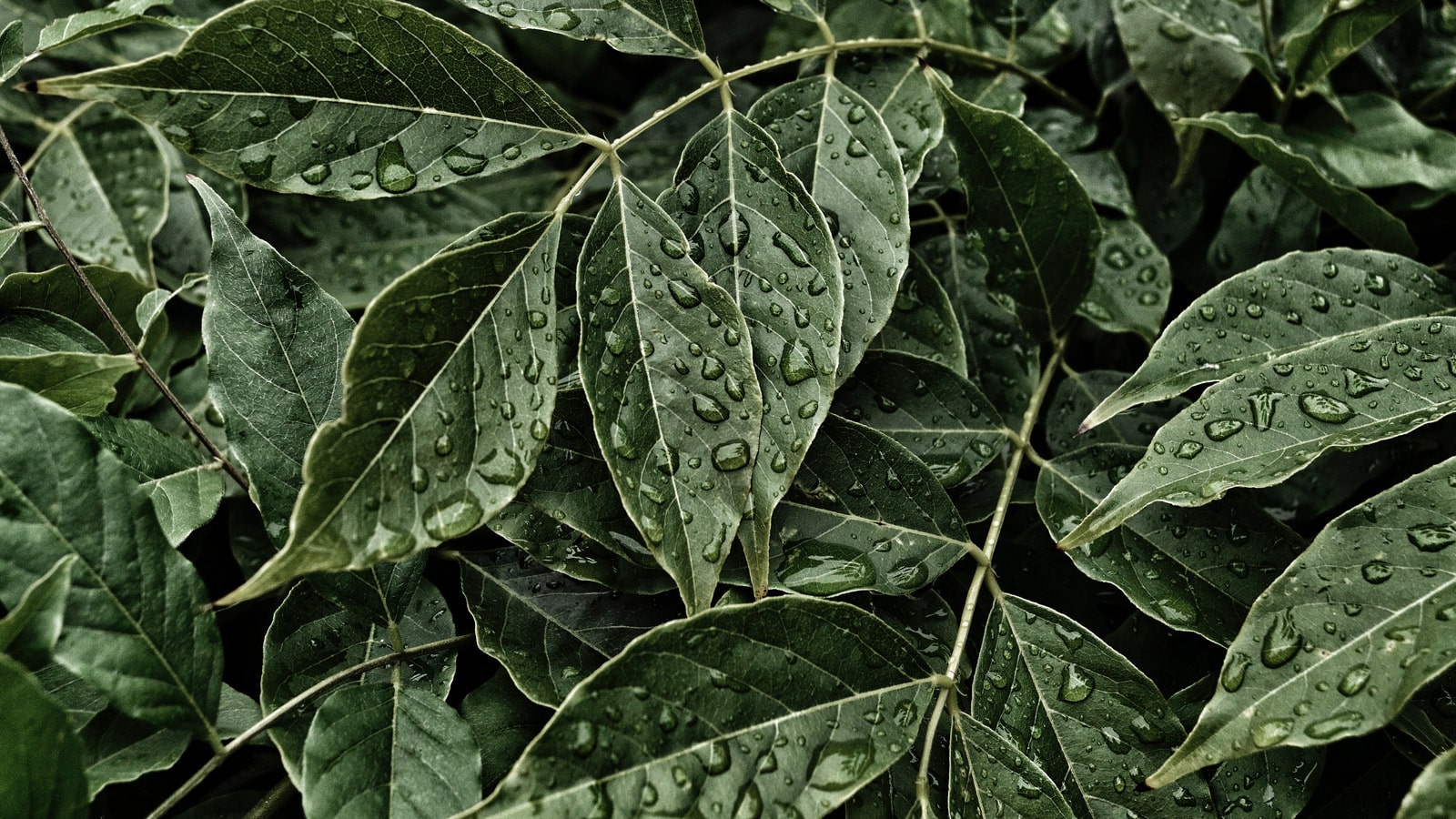

✨ Not all herbs are created equal and quality matters for safety AND effectiveness.
🌿 1. Look at the color
High-quality herbs should be vibrant and true to their natural color.
❌ Dull, gray, or brown herbs often mean they’re old or improperly stored.
👃 2. Smell the herb
Quality herbs smell alive, aromatic, earthy, sometimes sweet.
If there’s no scent… there’s likely no potency.
🖐️ 3. Check the texture
Whole or cut herbs should feel crisp, not dusty or mushy.
Too much powder can mean excessive processing or age.
📍 4. Know the source
Ask:
• Where was it grown?
• Was it organically cultivated or ethically wild-harvested?
• Is the plant clearly identified (Latin name matters!)
📅 5. Freshness matters
Herbs don’t last forever.
Reputable sellers list harvest dates or batch info , especially for medicinal use.
🧪 6. Quality ≠ trendy
Bright packaging doesn’t equal quality.
Clinical herbalism values plant integrity, proper storage, and transparency, not the hype.
🌱 Bottom line:
Good herbs look vibrant, smell strong, and come with clear sourcing.
Your body deserves better than mystery plants.
Leave a Reply